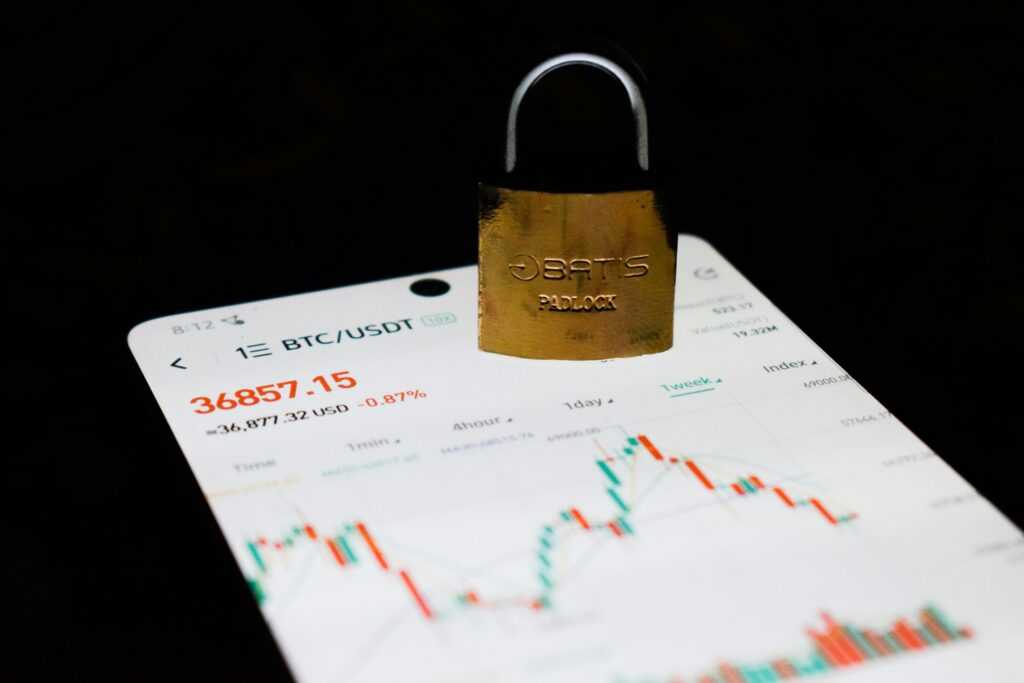
Know Why Diversification Works
Diversification isn’t just a buzzword it’s a survival tool. Crypto markets are notoriously volatile. One day your portfolio is up 30%, the next it’s wall to wall red. Spreading your investments across different types of assets reduces your exposure to any single coin crashing or getting de listed. You’re not betting the farm on one outcome.
What you gain instead is balance. A mix of assets can soften the impact of downturns while capturing upside when markets rally. This improves your risk adjusted returns over time not just raw profit, but profit weighed against the stress and steep drops along the way.
During bear markets, diversified portfolios bleed less. They give you time to think, not just react. And when the bulls come storming back, you’ll still be in the game. Not scraping the bottom, not sidelined still taking swings.
Spread Your Holdings Across Core Categories
Diversification isn’t just a buzzword in crypto it’s survival. Each type of coin plays a different role in building a portfolio that can ride the waves without capsizing.
Large Cap Coins (e.g. Bitcoin, Ethereum): These are your anchors. Bitcoin has stood through multiple cycles, Ethereum keeps powering the majority of DeFi and NFTs. They offer relative stability, high liquidity, and institutional attention. If you’re thinking long term, these should take up the biggest slice of your allocation.
Mid & Small Cap Altcoins: Riskier, but packed with growth potential if you choose wisely. Think of this bucket as your scouting ground for the next big mover. These coins tend to be more volatile, but that’s also where gains sometimes explosive can show up. Don’t go overboard. Diversify within this category, and size entries carefully.
Emerging Projects: Blockchain’s bleeding edge. These could be early stage layer 1s, decentralized infrastructure, or niche protocols solving a unique problem. Allocate only a small percentage here say 5 10% at most. It’s your high conviction, high risk sandbox.
Stablecoins: When the market turns ugly or overheats stables give you breathing room. Whether it’s USDC, DAI, or another trusted option, they’re key when taking profit or sitting out short term volatility. Use them strategically to catch your breath or redeploy when opportunities show up.
A balanced approach across these types helps you stay agile without gambling the whole stack.
Go Beyond Just Coins

Crypto isn’t just about buying and holding tokens anymore. These days, smart investors are looking at the ecosystem around the coins for more ways to grow their holdings, often passively.
First up: crypto ETFs and trusts. These are solid picks if you want exposure without managing wallets or private keys. Products like Grayscale’s trusts or the new spot Bitcoin ETFs offer a way to track crypto performance from a traditional brokerage account. It’s not the same as owning the asset outright, but it’s cleaner and regulated less friction for long term plays.
Then there’s staking and yield farming. If you’re holding coins like ETH, SOL, or ADA, locking them up can earn you rewards. Yield farming takes it up a notch by using DeFi platforms to lend liquidity in exchange for returns. It can get complex and the risk scales with the reward but when done right, it turns idle tokens into active income generators.
Finally, DeFi opens the door for strategy. Lending platforms like Aave, decentralized exchanges like Uniswap, and protocols like Yearn let users tap into decentralized products that mimic what banks and brokerages do but with fewer middlemen. The tech can still be rough around the edges, but if you’re willing to learn the ropes, DeFi isn’t just an edge it’s a shift.
Bottom line: don’t just let your crypto sit. Put your assets to work.
Don’t Ignore Timing & Analysis
Crypto isn’t a set it and forget it kind of space. Timing your entries and exits can be the difference between riding the wave or wiping out. Technical tools like moving averages help take the guesswork out. They smooth out price data and show trends like when momentum’s picking up or cooling off. Think of them as your early warning system.
But charts aren’t everything. Zoom out. Pay attention to global interest rates, regulation chatter, and big picture economics. A stablecoin ban, a sudden tax ruling, or a DeFi exploit can shift sentiment fast. Staying informed means fewer surprises.
And don’t just accumulate. Rebalancing matters. If one sector outpaces the rest, your portfolio can drift from your original goals. Set checkpoints monthly, quarterly, whatever fits and make adjustments. It’s less about reacting, more about staying aligned with your strategy.
Final Tips That Compound Over Time
Long term success in crypto isn’t about hitting a moonshot it’s about staying grounded. First off, nail down your investment goals and actually stick to them. Chasing the latest meme coin or jumping ship during every dip is a great way to lose both sleep and capital. Hype comes and goes, but a clear roadmap doesn’t flinch.
Your emotions will get tested. FOMO during bull runs, panic during crashes both can wreck your strategy if you’re not careful. Treat your portfolio like a business, not a casino. If it helps, set rules for yourself: minimum hold periods, maximum position sizes, or even screen free days after trades.
Also, stay sharp. The market evolves, and so should your knowledge. Follow credible sources, listen to the pros but always verify. Improvement is a process.
Finally, stay technical. Gut feels have their place, but don’t discard proven methods like using moving averages. They help filter out the noise and keep your decisions grounded in data not distractions.