I’ve been tracking payment processors since before crypto became mainstream.
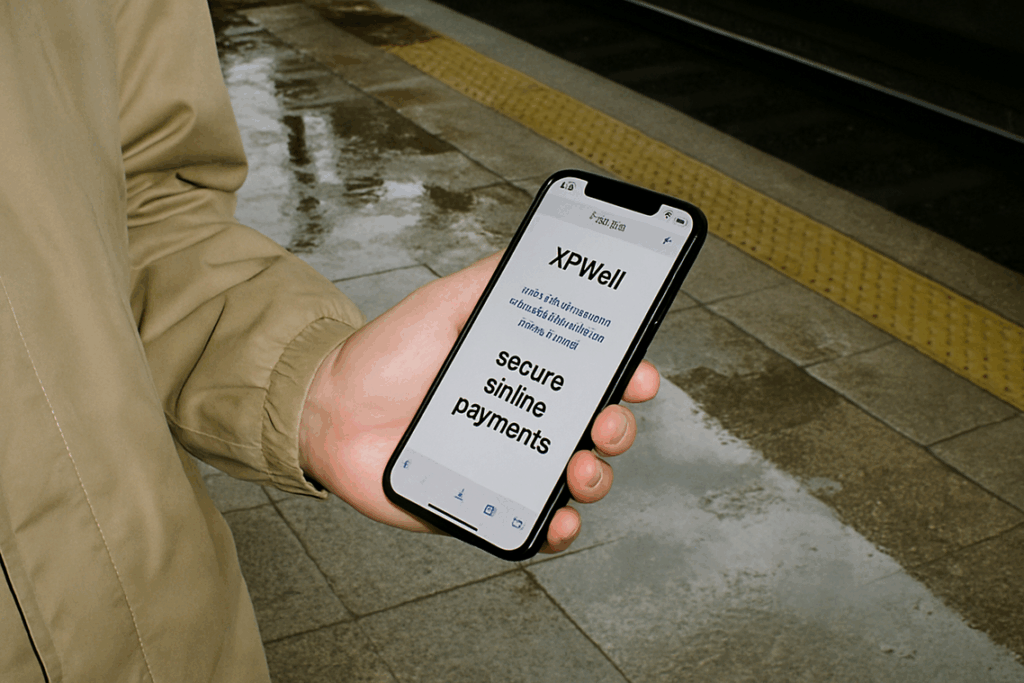
You’re probably searching for https://xpwell.webpay.md because you need to know what XPWell is and whether it’s the right fit for your business. Maybe you’re already using it. Maybe you’re just exploring options.
Here’s the reality: the payment processing world has split into two camps. Traditional fiat gateways on one side. Crypto processors on the other. And most businesses are stuck trying to figure out which path makes sense.
I spent years working with both systems. I’ve seen what works and what doesn’t when you’re trying to move money online.
This guide starts with XPWell and what it offers. Then we’ll look at the full range of options available today, from conventional payment gateways to digital currency solutions.
The payment landscape is more complex than it was five years ago. But it’s also more flexible. You just need to know what you’re looking at.
I’ll show you how different processors compare on fees, security, and reliability. We’ll cover both fiat and crypto options because your business might need one or both.
No sales pitches. Just a clear breakdown of what’s out there and how to pick what fits your needs.
What is XPWell? A Look at the WebPay.md Platform
You’ve probably landed here because you saw XPWell mentioned somewhere and wanted to know what it actually does.
Fair question.
XPWell is an online payment processing service. You access it through webpay.md, and it’s built for businesses that need to accept regular fiat payments. We’re talking credit cards, debit cards, the usual stuff.
Think of it this way. If you run an online store or a service business, you need a way to get paid. XPWell handles that part.
The platform offers merchant accounts so businesses can process transactions. It also provides payment gateway integration for websites (that’s the tech that connects your checkout page to the banking system). And if you have a physical location, they’ve got point-of-sale solutions too.
Now, some people wonder if this is related to crypto payment processing. It’s not. XPWell focuses on traditional banking frameworks and fiat currency transactions.
Who actually uses this?
Mostly e-commerce stores that need reliable payment processing. Local service providers who want to accept cards. Businesses that operate within standard banking systems and need a straightforward way to handle customer payments.
If you want to check out their services directly, head over to https://xpwell.webpay.md. That’s their official site where you can see current offerings and pricing.
The platform isn’t trying to reinvent payments. It’s just giving businesses a functional way to accept money online and in person.
The Alternative: Understanding Crypto Payment Gateways
You’ve probably heard about businesses accepting Bitcoin.
Maybe you’ve even seen the stickers at coffee shops or online checkouts that say “We accept crypto.”
But what’s actually happening behind the scenes?
A crypto payment gateway is what makes it all work. Think of it as the bridge between your customer’s digital wallet and your business bank account. When someone wants to pay you in Bitcoin or Ethereum, the gateway handles the entire transaction.
Why Merchants Are Making the Switch
I started tracking this back in 2021 when transaction fees were eating into everyone’s margins.
Here’s what I found. Traditional payment processors charge anywhere from 2.5% to 3.5% per transaction (sometimes more for international payments). Crypto gateways? Often under 1%.
That adds up fast.
There’s another benefit most people don’t talk about enough. Chargebacks. With credit cards, a customer can dispute a charge weeks or even months later. You lose the product and the money while the bank investigates.
Crypto transactions are final. Once the blockchain confirms it, that’s it. No reversals. No disputes eating into your revenue.
And if you’re selling to customers outside the US, crypto payments open up markets that were too expensive to reach before. No currency conversion fees. No waiting days for international wire transfers to clear.
How the Process Actually Works
Let me walk you through what happens when a customer clicks “Pay with Crypto.”
- Your customer selects their preferred cryptocurrency at checkout
- The gateway generates a unique wallet address and displays the exact amount needed
- The customer sends payment from their wallet (this usually takes a few minutes)
- Here’s the part that matters most: the gateway instantly converts that crypto to USD or whatever currency you want
- The money hits your business account just like any other payment
Some gateways like https //xpwell.webpay.md let you choose whether you want to receive fiat or keep a percentage in crypto. That flexibility matters if you believe in long-term crypto appreciation.
The conversion happens so fast that you’re not exposed to price swings. Your customer might pay in Bitcoin, but you receive dollars at the exchange rate from the moment they clicked submit.
Now, some business owners tell me they’re worried about the crypto malware threats 2026 investor guide highlights. Valid concern. But reputable gateways handle security on their end. You’re not storing crypto or managing wallets yourself.
After six months of watching merchants adopt these systems, I can tell you the setup is simpler than most expect. Usually takes less than an afternoon.
Head-to-Head: XPWell (Traditional) vs. Crypto Processors
Let me tell you what most comparison articles won’t.
They’ll line up the features side by side and call it a day. But that misses the real question you’re asking.
Which one actually saves you money and headaches?
I’ve processed payments through both systems. And here’s what I learned: the answer depends on what you’re selling and who’s buying.
Some people insist traditional processors are safer. They point to fraud detection and buyer protection like it’s the holy grail. And sure, those features exist.
But they come at a cost most merchants don’t see coming.
The Real Cost Breakdown
XPWell and similar traditional processors hit you with 2.9% plus $0.30 per transaction. That’s the standard model you’ll find at https://xpwell.webpay.md and pretty much everywhere else in the fiat world.
Crypto gateways? You’re looking at 0.5% to 1% flat.
Do the math on a $100 sale. Traditional takes $3.20. Crypto takes $1 at most.
Now multiply that across hundreds of transactions. The difference adds up fast.
But here’s where it gets interesting. Settlement speed tells a different story than most people expect.
Traditional processors make you wait 2 to 3 business days for your money. Sometimes longer if there’s a holiday or weekend involved (and there always is). You’re basically giving them an interest-free loan of your own revenue.
Crypto settles in minutes. Sometimes seconds.
That’s not just convenient. It changes your cash flow completely.
The Chargeback Problem Nobody Talks About
Here’s what the traditional payment crowd won’t tell you.
Chargebacks can destroy your business. I’ve seen merchants lose not just the sale but also pay fees on top of it. Plus you waste hours fighting disputes you can’t win.
The system favors buyers. Always has.
Blockchain transactions are final. Once the payment goes through, it’s done. No reversals. No fraud claims six months later.
Some people say that’s unfair to buyers. And look, I get the concern. Consumer protection matters.
But if you’re selling legitimate products and providing real value? That finality protects you from the scammers who abuse the chargeback system.
Traditional processors offer better fraud detection tools. That’s true. But you’re still vulnerable to friendly fraud (which isn’t friendly at all).
Going Global Without the Hassle
XPWell works great if your customers are in supported countries with the right banking setup.
But what happens when someone from a restricted region wants to buy from you? You lose the sale. Simple as that.
Crypto doesn’t care about borders. Someone in Argentina can pay you just as easily as someone in Arizona. No currency conversions. No international transaction fees eating into your margin.
The regulatory situation is messier with crypto, I won’t lie to you. Rules change. Governments are still figuring this out.
Traditional processors operate in a clear framework. You know what’s allowed and what isn’t.
But that clarity comes with restrictions. And those restrictions cost you customers.
When to Choose a Traditional Processor Like XPWell
Look, I’m all about crypto. But that doesn’t mean traditional payment processors are dead.
Some of you might be thinking that if you’re not accepting Bitcoin or Ethereum, you’re behind the times. I hear that argument a lot. And sure, crypto has its place.
But here’s what nobody wants to admit.
Most of your customers still reach for their Visa card. They don’t have a crypto wallet. They don’t want to figure out gas fees while they’re trying to buy your product.
Traditional processors like https://xpwell.webpay.md make sense when your audience lives in the regular banking world. If you’re running a local shop or selling to people who’ve never heard of cloud mining pros cons and user experiences revealed unveiling the truth behind its profitability, you need to meet them where they are.
Brick-and-mortar stores especially benefit here. Your POS system already talks to traditional processors. Your staff knows how to handle card payments. Why complicate things?
Now, some industries don’t have a choice. If you’re in healthcare or finance, regulators want to see established banking relationships. They trust the system they know (even if it’s not perfect).
Yes, chargebacks are annoying. But your customers understand how credit card disputes work. That familiarity matters more than you think.
The real question isn’t crypto versus traditional. It’s what fits your business right now.
When a Crypto Payment Gateway is the Smarter Choice
Not every business needs a crypto payment gateway.
But if you’re dealing with international customers or operating in what banks call “high-risk” categories, you probably do.
Let me break down when it makes sense.
Global E-commerce
Say you’re selling digital products to customers in 15 different countries. Traditional payment processors will hit you with conversion fees, cross-border charges, and settlement delays that can stretch for days.
With a crypto gateway like https://xpwell.webpay.md, your customer in Brazil pays the same way as someone in Belgium. No currency conversion headaches. No waiting three business days for funds to clear.
High-Risk Industries
Here’s the reality. If you run a subscription service or sell supplements, traditional processors might just reject your application. They see high chargeback rates and walk away.
Crypto payments are final (once confirmed, they’re done). That alone makes them attractive for businesses that struggle with traditional banking relationships.
Future-Proofing Your Business
I’m not saying crypto will replace everything tomorrow. But younger customers expect payment options beyond Visa and Mastercard. Adding crypto shows you’re paying attention to where things are headed.
Plus, you’re less dependent on a single payment rail that could change its terms or freeze your account without warning.
A Quick Guide to Integrating Your Chosen Payment Solution
You’ve picked a payment provider. Now comes the part that makes most people nervous.
Actually setting it up.
I’ll be honest with you. I can’t predict exactly what problems you’ll run into. Every platform is different and some integration guides are clearer than others (some are downright confusing).
But here’s what usually works.
Start by looking at your actual needs. How much volume are you processing? Who’s your customer base? What platform are you running on? These answers matter because they’ll shape which integration path makes sense.
Next, compare what providers actually offer. Look at fees first, then features, then security measures. Sites like https://xpwell.webpay.md can give you a starting point for understanding what’s available.
Once you’ve chosen, find the API or plugin guide for your specific setup. If you’re on Shopify or WooCommerce, this part is usually straightforward. Other platforms? It depends.
Here’s where I see people mess up most.
They skip testing. They’re excited to go live and they rush it.
Don’t do that. Test everything before you process real transactions. Run dummy payments. Check how refunds work. Make sure your checkout flow doesn’t break.
Will everything go perfectly? Probably not. But testing catches the big problems before your customers find them.
Making the Right Payment Processing Decision
You came looking for information on https://xpwell.webpay.md, and now you have a complete picture of where it fits in the broader payments landscape.
Choosing a processor is a critical business decision. It impacts your revenue, security, and global reach.
By understanding the distinct advantages of both traditional and crypto gateways, you can now confidently select the tool that aligns with your business goals.
Here’s what you should do next: Evaluate your transaction volume and customer base. Compare the fee structures against your projected revenue. Test the integration process with your current systems.
The right processor doesn’t just handle payments. It becomes part of your infrastructure.
Your next move is to make a decision based on data, not hype.